Top Benefits of ESG for Modern Businesses
ESG is no longer just a compliance requirement or a trend—it has become a practical business advantage.
Companies today are expected to go beyond profit and show how they manage environmental impact, social responsibility, and governance practices. Businesses that take ESG seriously are seeing real, measurable outcomes.
This guide breaks down the key benefits of ESG in a clear and practical way, so you can understand why it has become a priority for modern organizations.
What Is ESG?
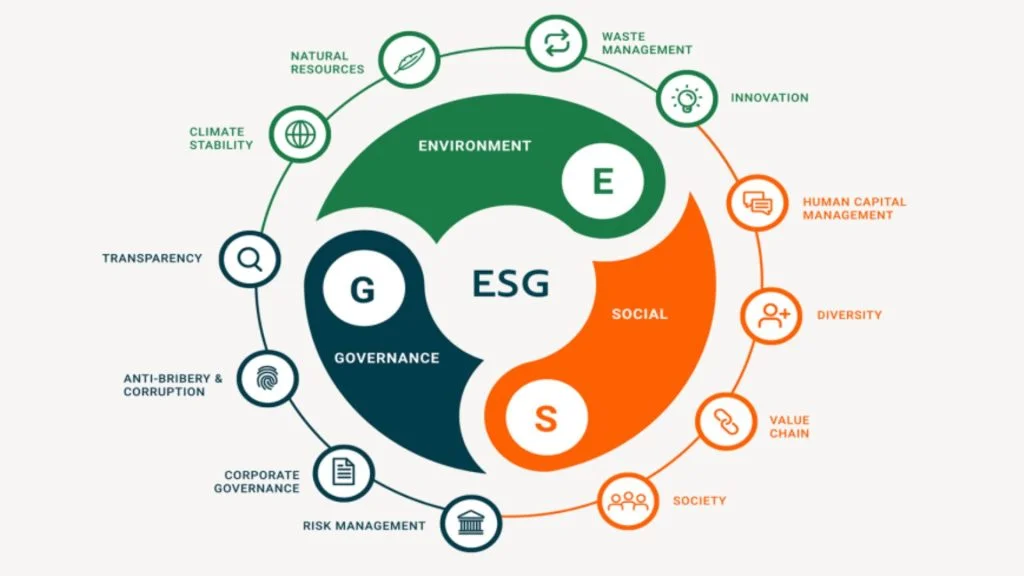
ESG stands for Environmental, Social, and Governance — a three-part framework that measures how responsibly a business operates beyond just profit.
- Environmental — How a company manages its impact on the planet (carbon emissions, energy use, waste)
- Social — How it treats employees, communities, and supply chains
- Governance — How leadership, ethics, and transparency are maintained internally
In simple terms, ESG is no longer a buzzword. It's a business strategy that directly influences growth, reputation, and long-term survival.
Why Are the Benefits of ESG More Relevant Than Ever?
The global business landscape has shifted dramatically. Consumers are more conscious. Investors are more selective. Regulators are more demanding. In this climate, companies that embrace ESG don't just look good — they perform better.
According to McKinsey research, companies with strong ESG scores consistently outperform their peers over the long term in both profitability and resilience. That's not coincidence. That's strategy.
Whether you're a startup founder, a mid-market executive, or a corporate leader, understanding the benefits of ESG gives you a serious competitive edge in today's market.
Top Benefits of ESG for Modern Businesses
1. Stronger Investor Confidence and Access to Capital
One of the most tangible ESG advantages is attracting better investors. ESG-aligned investing — often called sustainable or responsible investing — has grown into a multi-trillion-dollar movement globally. Institutional investors, pension funds, and ESG-focused venture capitalists now screen companies based on their environmental and social performance before writing a check. Businesses with solid ESG frameworks are seen as lower-risk, more forward-thinking, and more resilient to regulatory changes. Simply put: good ESG = better funding opportunities.
2. Enhanced Brand Reputation and Consumer Trust
Today's consumers aren't just buying products — they're buying values. Studies consistently show that a large portion of consumers, especially millennials and Gen Z, prefer brands that demonstrate genuine environmental and social responsibility. When your business visibly commits to ESG principles, it builds an emotional connection with customers. That trust translates directly into loyalty, repeat purchases, and powerful word-of-mouth. A strong ESG story is one of the most cost-effective marketing assets a modern business can have.
3. Improved Employee Attraction and Retention
The war for talent is real. The best professionals today want more than just a paycheck — they want purpose. Companies with strong ESG commitments consistently report higher employee satisfaction, lower turnover, and an easier time attracting top talent. When people feel their work contributes to something meaningful, they're more engaged and productive. Reducing employee churn alone can save businesses hundreds of thousands in recruitment and training costs annually.
4. Long-Term Financial Performance and Risk Reduction
There's a common misconception that ESG is just about "doing good" at the cost of profitability. The data says otherwise. Businesses that proactively manage environmental, social, and governance risks are better protected from costly disruptions. ESG acts as a risk management framework in disguise — helping avoid regulatory fines, legal battles, supply chain failures, and reputational crises.
5. Regulatory Compliance and Future-Proofing
Governments and regulatory bodies worldwide are tightening ESG-related requirements fast. The EU's CSRD, SEC climate disclosure rules in the US, and similar frameworks globally are pushing ESG from optional to mandatory. Businesses that build ESG frameworks now are ahead of where the market is heading and avoid last-minute scrambling and costly overhauls.
6. Better Operational Efficiency and Cost Savings
Going green isn't just ethical — it's economical. Energy efficiency programs, waste reduction initiatives, and sustainable supply chain management reduce operational costs over time. Many businesses report significant savings in utilities, logistics, and material sourcing within a few years of implementation.
7. Competitive Differentiation in Crowded Markets
In industries where products and services are increasingly similar, ESG becomes a genuine differentiator. Whether you're pitching to enterprise clients, entering new markets, or responding to RFPs, a credible ESG strategy positions your business as a preferred, trustworthy partner.
ESG Advantages at a Glance
| ESG Benefit | Business Impact |
|---|---|
| Investor Confidence | Access to ESG capital & lower cost of funding |
| Brand Reputation | Increased customer loyalty & trust |
| Talent Retention | Lower turnover & higher productivity |
| Risk Management | Fewer regulatory & operational disruptions |
| Regulatory Compliance | Ahead of mandatory frameworks |
| Cost Efficiency | Reduced energy & operational costs |
| Market Differentiation | Stronger positioning & competitive edge |
Common Misconceptions About ESG
"ESG is only for large corporations." False. Small and mid-sized businesses benefit enormously from ESG — often more proportionally, since they can build it into their culture from the ground up rather than retrofitting it later.
"ESG hurts profitability." The evidence consistently shows the opposite. ESG-integrated companies outperform non-ESG peers over 5–10 year horizons in most sectors.
"ESG is just a PR exercise." When done authentically, ESG is a structural business strategy. It reshapes operations, culture, and governance — not just marketing materials.
Final Thoughts: ESG Is a Business Imperative, Not a Trend
The benefits of ESG are no longer theoretical — they're proven, measurable, and increasingly expected. Businesses that treat ESG as a core strategic priority are the ones building lasting competitive advantages in a rapidly evolving world.
Whether your goal is to attract better investors, retain top talent, reduce costs, or future-proof your business — ESG delivers on all fronts.
The question is no longer whether your business should embrace ESG. It's how fast you can make it happen.